

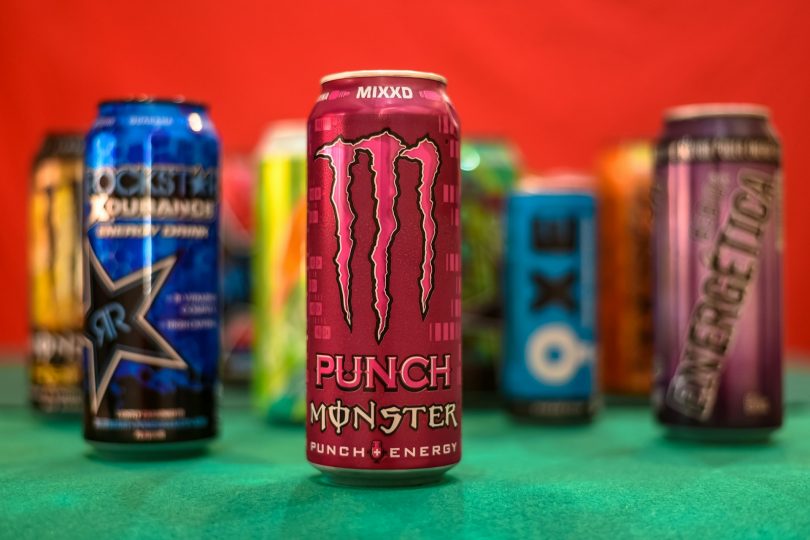

In the United States, cardiovascular disease remains the leading cause of death, and we know that the roots of this risk often take hold far earlier than adulthood. According to the Centers for Disease Control and Prevention (CDC), nearly 1 in 3 high school students in the United States reports current e-cigarette use, while energy drink consumption among adolescents has steadily increased over the past decade.
At the same time, our Black communities continue to experience higher rates of hypertension and earlier onset of heart disease, a disparity documented by the National Institutes of Health (NIH) and the American Heart Association. When these trends intersect, they raise an urgent concern: products marketed as modern or harmless may be placing our teens’ hearts under unnecessary strain.
Why Teen Heart Health Is Especially Vulnerable During Adolescence
The teenage years represent a critical period of growth. Teens’ hearts, blood vessels, and nervous systems are still developing, making them especially vulnerable to substances that elevate heart rate, blood pressure, and stress hormones. Nicotine—the primary addictive substance in most vaping products—is a powerful stimulant. High-caffeine energy drinks act similarly, often delivering concentrated doses that exceed what growing bodies are equipped to handle.
Scientific evidence published in peer-reviewed cardiology journals shows that nicotine increases heart rate, constricts blood vessels, and raises blood pressure, even in young people without underlying conditions. Caffeine, particularly in large quantities, can trigger palpitations, sleep disruption, and sustained blood pressure elevation. When exposure begins early in life, repeated stress on the cardiovascular system may shape long-term health outcomes.
Teen Heart Health and Disparities in Black Communities
Health risks are never evenly distributed, and we cannot separate biology from environment. In many of our Black neighborhoods, the density of stores selling nicotine products and energy drinks is higher than in predominantly White communities. These products are often displayed prominently near schools and community centers, increasing daily exposure.
Marketing practices further compound the problem. Research has shown that vaping and energy drink brands disproportionately target Black youth, using music culture, social media influencers, and neighborhood-specific advertising. These campaigns frequently frame stimulant products as symbols of confidence, creativity, and independence and such messages resonate deeply during adolescence.
This approach reflects a longer history of predatory marketing toward our communities. Menthol cigarettes, aggressively promoted to Black consumers for decades, contributed to lasting disparities in smoking-related illness. Today, vaping devices and energy drinks represent a modern iteration of the same inequitable strategy.
How Vaping and Energy Drinks Affect Teen Heart Health
- Nicotine overstimulates the cardiovascular system: Nicotine activates the body’s sympathetic nervous system, often referred to as the “fight or flight” response. This activation increases heart rate, narrows blood vessels, and reduces oxygen delivery to heart tissue. For our teens, whose regulatory systems are still developing, these effects can be stronger and more disruptive
- Energy drinks deliver excessive stimulant doses: Many energy drinks contain 2-3x the caffeine of a typical soda and often include additional stimulants such as guarana and taurine. The American Academy of Pediatrics has linked high caffeine intake in adolescents to anxiety, irregular heart rhythms, and chronic sleep deprivation, which is an independent risk factor for cardiovascular disease
- Combined use compounds cardiovascular stress: When vaping and energy drink consumption overlap, as they frequently do, the cumulative stimulant load places added strain on the heart. While long-term data is still emerging, early evidence suggests that repeated exposure during adolescence may increase lifelong risks to teen heart health, particularly in communities already facing elevated baseline cardiovascular risk
What We Are Seeing in Teen Heart Health Today
Across our healthcare systems, clinicians are beginning to observe the impact firsthand. Pediatric cardiologists report seeing more teens with heart palpitations, chest discomfort, and elevated blood pressure linked to frequent energy drink use or vaping. In many cases, symptoms improve when use is reduced or stopped—reinforcing the importance of early awareness and intervention.
Within our schools, nurses and counselors have also noticed rising numbers of students experiencing dizziness or rapid heartbeat after consuming energy drinks before class. These are not isolated incidents; they are early warning signs pointing to a broader public health issue affecting our youth.
5 Ways to Protect Teen Heart Health
- Build informed and supportive communities: Protecting our teens’ heart health requires more than individual willpower. It depends on communities that are informed, engaged, and equipped with culturally grounded information about how vaping and energy drinks affect developing bodies. Education should be clear, accurate, and delivered without shame or fear
- Encourage open conversations and healthy modelling: We need toupport healthier choices by creating space for honest discussions at home, asking our teens what they encounter online, and modeling balanced approaches to stress, energy, and rest. When adults lead by example, teens are more likely to make informed decisions
- Strengthen school-based health education: Schools play a critical role by integrating evidence-based health education that reflects students’ lived experiences and challenges misleading industry narratives. Accurate, relevant information helps teens recognize risk and build lifelong health literacy
- Advocate for policies that protect young hearts: At the policy level, we must support limits on youth-targeted marketing, stronger regulation of flavored stimulant products, and measures that address unequal retail density in our neighborhoods
- Confront predatory marketing practices directly: Vaping and energy drink companies have a documented history of strategically marketing to Black communities through music culture, social media, and neighborhood saturation. Addressing teen heart health requires calling out these practices and advocating for stricter oversight, clearer advertising standards, and policies that prevent the deliberate targeting of our youth with products that place their long-term health at risk
Strengthening Teen Heart Health for the Future
The conversation around vaping, energy drinks, and teen heart health in Black communities is ultimately about prevention, equity, and empowerment. Adolescence is not only a period of vulnerability but also a powerful window for shaping lifelong health.
By recognizing how marketing, environment, and physiology intersect, we can push back against practices that place profit above our children’s well-being. By centering culturally responsive education and evidence-based action, we can help ensure our teens enter adulthood with hearts strengthened, not strained, by their early experiences.
Further Reading:
- Anneberg School for Communication University of Pennsylvania. Which Teens Are More Likely to Vape? Research Shows Surprising Patterns Across Race and Sexuality Groups. https://www.asc.upenn.edu/news-events/news/which-teens-are-more-likely-vape-research-shows-surprising-patterns-across-race-and-sexuality-groups
- For Your Health News. Youth Vaping, Social Media, and Respiratory Health in Minority Teens. https://fyh.news/youth-vaping-social-media-respiratory-health-minority-teens/
- OSF Healthcare. Vaping poses high risk for teen hearts. https://www.osfhealthcare.org/blog/vaping-poses-high-risk-for-teen-hearts
- Interior Health. Tobacco & Vaping Information for Teens. https://www.interiorhealth.ca/health-and-wellness/tobacco-cannabis-vaping-and-alcohol/tobacco-and-vaping-information-for-teens
- Healthline. Is Vaping Bad for You? And 12 Other FAQs. https://www.healthline.com/health/is-vaping-bad-for-you