

Some of the highest rates of chronic diseases in the United States are reported more in Black seniors compared to any other racial group, including higher rates of diabetes, heart disease, hypertension, and arthritis. Therefore, they require more significant caregiver monitoring to ensure safety and improved quality of life.
In our community, the role of caregiving often falls on the children, who must find a balance between caring for their aging parents or relatives with terminal illness and meeting their financial obligations. For example, a 2019 study by the Pew Research Center shows that around 40 million caregivers in the United States provide unpaid care to adults older than 65 years.
Amid rising fuel costs and broader economic pressures many caregivers, especially the unpaid, are turning to wearable technologies to help monitor their loved ones, even when they are not physically present.
1. Smartwatches
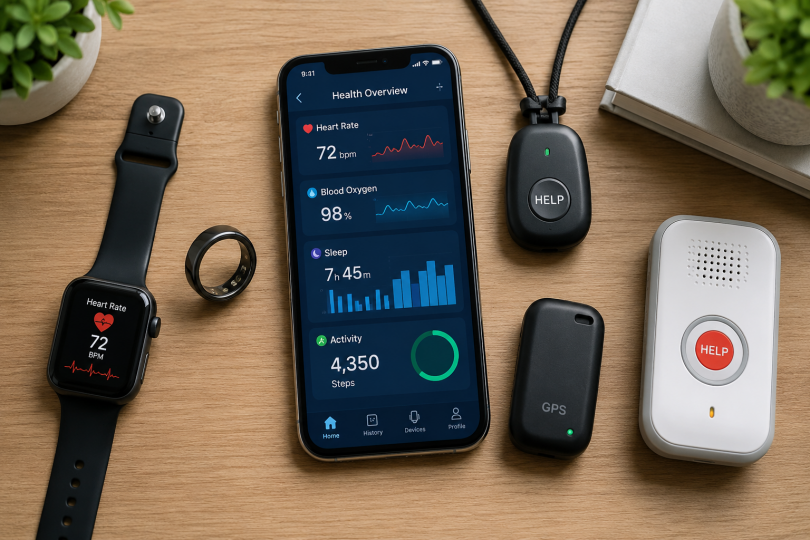
Seniors with chronic high blood pressure, diabetes, or heart disease can be one emergency away from becoming memories. Smartwatches are equipped with sensors that can monitor blood pressure, heart rate, and blood oxygen levels for early detection of cardiovascular issues before serious damage like a heart attack or stroke occurs.
Caregivers can also rely on specialized smartwatches like e-pill Cadex Watch to offer medication reminders to their patients via vibration or sound alerts. The watch can also display the name of the medication to be taken at each time on the screen. UnaliWear Kanega Watch features fall detection and voice-controlled medication prompts that can easily alert the caregiver if there is an emergency that needs their presence.
2. Smart Belts
Aging patients with mobility issues may struggle with getting quality sleep, which increases their risk of diabetes and heart disease. There is an ongoing innovation in smart belts to measure waist circumference. Sensors in smart belt buckles and markers inside the strap monitor abdominal visceral fat, which is strongly associated with a higher risk of developing type-2 diabetes.
A smart belt is linked to smartphone apps, which analyze the data recorded by the belt and present it in a readable form. WELT smart belt pioneered the wearable belt following its launch in 2019. Smart Sleep Monitor Belt was launched years later to provide continuous monitoring of vital signs, including respiratory rates and thoracic impedance for early detection of heart diseases and diabetes. Backed by this information, the caregiver will know when to seek medical care for their patients.
3. Smart Health Ring
Another way a caregiver can monitor their patient 24/7 without the burnout that comes with the job is using smart rings. Most versions on the market have sensors for sleep quality monitoring, heart rate, and blood oxygen level detection. They are lightweight and can pass for a wedding ring, which will make it more friendly to wear compared to smartwatches.
Some smart rings are waterproof, which can improve their durability around elderly use. Specialized models offer fall detection and emergency call features that provide a safety net when the caregiver is not physically present. Many health apps allow caregivers to share the health data of their patients with their families to keep them in tune with their progress.
4. GPS Tracker
Dementia affects around 21.3% of seniors over 70 years in our communities. Research has shown that Black adults are twice as likely to have Alzheimer’s or other dementias compared to white adults. Approximately 60% of people living with dementia will wander at least once as the condition progress.
To prevent a situation where patients wander and get lost, caregivers providing care to seniors with dementia can use wearable GPS trackers to always know where their patients are. The more friendly GPS trackers are those that can be worn like a wristwatch or necklace. However, if your patient removes them frequently, use the SmartSole, which has the tracker hidden in the insoles of shoes where they cannot find it.
5. Medical Alert Systems
Medical Guardian and Lifeline are two providers of wearable devices with a button that users can press when they are in need, and a professional will get to their location in a short time. This service is possible because the wearable devices are equipped with GPS.
Caregivers can use the online portal or app to build a network that they can easily reach out to at times of need. The portals of medical alert systems often feature resources that will also be useful to the caregiver in better understanding their patient’s condition and how to best support them.
No matter how diligent you are as a caregiver, it is almost impossible to guarantee that you will be physically there for your patient around the clock. The times you are not around may lead to a rise in anxiety, which can negatively impact your health. With the remote monitoring feature of wearable devices, you can feel more at ease when you are not physically present.
For More Reading
- Alzheimer’s Association. (n.d.). Black Americans and Alzheimer’s disease. Alzheimer’s Association. https://www.alz.org/help-support/resources/black-americans-and-alzheimers
- Stepler, R. (2015, November 18). 5 facts about family caregivers. Pew Research Center. http://www.pewresearch.org/fact-tank/2015/11/18/5-facts-about-family-caregivers/
- Emecheta, A. (2022, March 10). Fighting caregiver burnout with technology. Elevate Black Health. https://www.elevateblackhealth.com/fighting-caregiver-burnout-with-technology/
- UChicago Medicine AdventHealth. (2023, June 19). Health conditions that impact Black communities. UChicago Medicine AdventHealth. https://www.uchicagomedicineadventhealth.org/blog/health-conditions-impact-black-communities
- Emecheta, A. (2023, August 14). Anxiety and dementia burden in Black communities. Elevate Black Health. https://www.elevateblackhealth.com/anxiety-and-dementia-burden-in-black-communities/
- Emecheta, A. (2024, March 15). Is type 3 diabetes real? Elevate Black Health. https://www.elevateblackhealth.com/is-type-3-diabetes-real/
- Collison, C. (2025, June 9). What stage of dementia do people wander? Herbert Protocol. https://herbertprotocol.com/stage-of-dementia-do-people-wander
- Emecheta, A. (2026, February 20). Heart attack and stroke signs in Black adults. Elevate Black Health. https://www.elevateblackhealth.com/heart-attack-and-stroke-signs-in-black-adults/