

In many Black households, the home is more than shelter. It is where our children learn at the kitchen table, where our hair is braided for hours, where elders read scripture in the early morning light, and where chronic conditions like diabetes and hypertension are managed daily. Yet we rarely talk about how our home environment affects one of our most important assets—our vision.
Black Americans are significantly more likely to develop glaucoma and diabetic retinopathy, two leading causes of vision loss. According to the National Eye Institute, Black adults are several times more likely to develop glaucoma than white adults. Diabetes, which disproportionately affects Black communities, further increases the risk of vision complications.
Having healthy homes are not just about asthma triggers or mold. They are about lighting, air quality, screen habits, chronic disease management, and safety design. When we improve these factors, we don’t just make our homes more comfortable—we protect eyesight across generations. Here are a few tips that, even if we think our homes are safe, could serve as fresh reminders for how we can keep our homes safe for the sake of our eyes.
10 Ways to Build an Eye-Healthy Home
• Improve lighting in multigenerational spaces
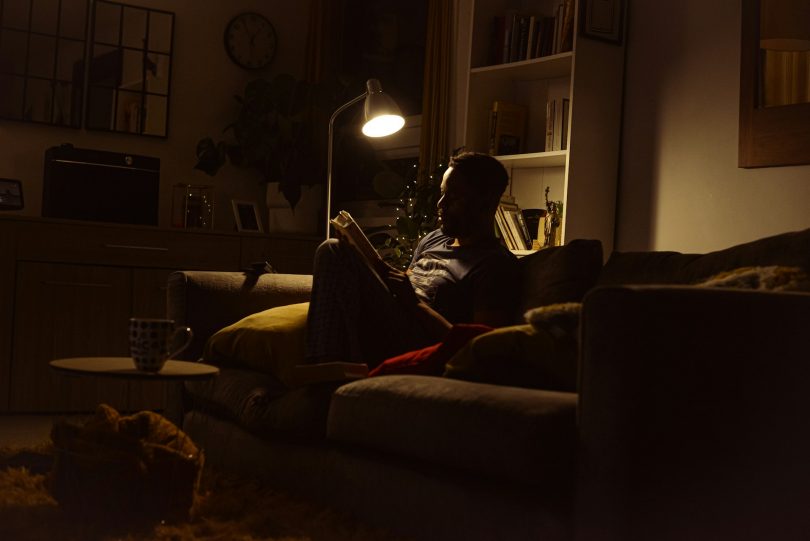
Black families are more likely to live in multigenerational households, meaning elders and children often share common spaces. Dim overhead lighting increases eye strain and fall risk—especially for older Black adults, who are at higher risk for glaucoma-related peripheral vision loss. Add bright, warm LED task lamps where people read, braid hair, check medications, or do homework.
• Address digital eye strain in screen-heavy households
Black teens and adults report a higher screen use for school, work, church streaming, entrepreneurship, and social connection. Extended screen exposure contributes to dry eye, blurred vision, and headaches. Make the 20-20-20 rule a family norm and increase room lighting during screen use.
• Improve indoor air quality in homes using incense, candles, and hair products
Incense, candles, and aerosol hair products are commonly used in our households for relaxation, cultural practices, and grooming. However, smoke and chemical exposure can worsen dry eye and allergic conjunctivitis. Increase ventilation during cooking and beauty routines. Consider air purifiers in bedrooms.
• Create safer beauty and hair care environments
Protective hair styles, lash extensions, and bonding adhesives are common in Black beauty culture. However, adhesives and shared cosmetics can lead to allergic reactions, eyelid inflammation, and corneal irritation. Ensure good lighting and airflow during installs. Avoid sharing eye makeup and remove products if irritation develops.
• Reduce fall risk for older adults
Because Black adults experience higher rates of glaucoma and diabetes, they may have reduced contrast sensitivity or peripheral vision. Poor lighting and clutter increase fall risk. Install night lights, remove tripping hazards, and add high-contrast stair markings.
• Support safe diabetes management at home
Black Americans are disproportionately affected by diabetes, which increases the risk of diabetic retinopathy. Vision challenges can make insulin dosing and medication management unsafe. Use large-display devices, bright lighting, and magnifiers for reading labels.
• Protect children’s vision in homework spaces
Black children often complete homework in shared, multipurpose spaces. Poor lighting and close screen distance increase eye strain and may contribute to myopia progression. Encourage outdoor time and maintain proper reading distance (about arm’s length).
• Increase contrast for family members with low vision
Low contrast environments can maake daily tasks harder for individuals with glaucoma or diabetic retinopathy—conditions more prevalent in Black communities. Use bold labels, contrasting colors, and large-print calendars.
• Keep protective eyewear accessible at home
Home improvement and yard work injuries often happen without eye protection. Eye trauma can be devastating and preventable. Normalize keeping safety glasses in visible, easy-to-access locations.
• Normalize annual comprehensive eye exams
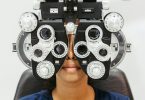
Black adults are significantly more likely to develop glaucoma, and early stages often have no symptoms. Delayed diagnosis leads to preventable vision loss. Encourage annual comprehensive dilated eye exams for adults and routine screenings for children in your household.
Healthy homes are an equity issue. When we improve lighting, reduce irritants, manage chronic disease safely, and normalize preventive eye care, we protect not only eyesight but independence, academic success, and generational stability. In our community, vision supports how we worship, work, cook, braid, study, and care for one another. When we build homes that protect sight, we build environments that preserve dignity and longevity.
For additional reading:
- American Optometric Association. Computer Vision Syndrome.
https://www.aoa.org/healthy-eyes/eye-and-vision-conditions/computer-vision-syndrome - Prevent Blindness. Eye Safety at Home.
https://preventblindness.org/eye-safety-at-home/ - National Eye Institute. Glaucoma Overview.
https://www.nei.nih.gov/learn-about-eye-health/eye-conditions-and-diseases/glaucoma