

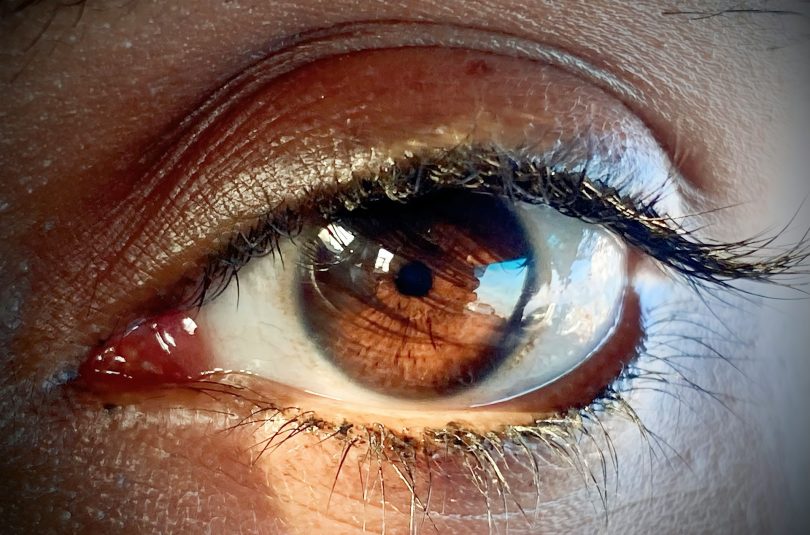

Many serious eye conditions develop silently, showing no warning signs until significant damage has occurred. Nearly one in five Black adults has an eye disease they don’t know about, yet most will not notice it until vision loss is irreversible. Too often, eye exams are postponed until blurry vision, headaches, or other noticeable symptoms appear. For Black individuals, this wait-and-see approach carries particular risk. Higher rates of glaucoma, diabetes, and hypertension mean that silent eye disease is not rare—it is a real and present threat to long-term sight.
According to data from the Centers for Disease Control and Prevention (CDC), Black individuals are disproportionately affected by vision loss and blindness, yet are significantly less likely to have access to or seek out preventative eye care. Statistics from the National Eye Institute (NEI) reveal a startling reality: Black individuals are up to six times more likely to develop glaucoma than White individuals, and they often develop it several years earlier. Furthermore, the risk of blindness from glaucoma is 10 to 15 times higher in Black patients.
These disparities are not merely biological coincidences. They reflect a complex intersection of genetics, systemic healthcare disparities, and the silent progression of ocular diseases. Because many of these conditions progress without pain, delaying an eye exam can mean permanent vision loss before symptoms appear.
That is why annual comprehensive eye exams matter, even for people who believe their eyesight is perfectly fine.
What a Comprehensive Exam Actually Does
A common misconception is that an eye exam is simply a test of visual acuity—the familiar ritual of reading rows of letters on a Snellen chart. While checking if you need “20/20” correction is part of the process, it is perhaps the least vital component of a comprehensive dilated eye exam.
During a professional exam, an optometrist or ophthalmologist uses specialized drops to dilate the pupils, allowing them a clear window into the back of the eye. This provides a direct view of the retina, the macula, and the optic nerve. Because the eye is the only place in the human body where a doctor can see live blood vessels and nerve tissue without surgery, it acts as a sentinel for systemic health.
A comprehensive exam can detect early signs of high blood pressure, high cholesterol, and even certain types of cancer. Most importantly, it catches diseases that do not cause pain or noticeable vision changes until the damage is irreversible.
Why Eye Disease Risk Is Higher in the Black Community
The elevated risk of certain eye diseases is not solely biological. It is shaped by a combination of medical, structural, and historical factors that influence both exposure to disease and access to early detection.
Key contributors include:
- Higher rates of chronic conditions: Hypertension and diabetes, both major risk factors for vision loss, are more prevalent among Black adults. The National Institutes for Health reports that Black individuals are nearly twice as likely to be diagnosed with diabetes as White individuals. These conditions can damage the retina and optic nerve, increasing the risk of glaucoma and diabetic retinopathy
- Limited access to preventive care: Long-standing disparities in access to primary care, routine screenings, and specialist services reduce the likelihood of early diagnosis. Preventive eye exams are often delayed or skipped entirely
- Food deserts and environment inequities: Reduced access to nutritious food and safe spaces for physical activity contributes to higher rates of obesity, diabetes, and hypertension, all of which affect eye health
- The legacy of medical mistrust: Historical medical exploitation and unequal treatment have fostered understandable skepticism toward health institutions. This mistrust can lead to postponing screenings until symptoms become severe
- Structural barriers within the health system: Studies show that Black patients are less likely to receive early glaucoma screening and more likely to be diagnosed at later stages. Implicit bias, transportation challenges, inflexible work schedules, and cost concerns all discourage routine checkups
- Gaps in vision insurance coverage: Many standard health plans do not include comprehensive vision benefits. Even with broader insurance coverage under the Affordable Care Act, preventive eye exams often remain an out-of-pocket expense competing with housing, food, and other essentials
Combined, these factors increase the risk of preventable vision loss, underscoring the urgent need for proactive, equitable eye care.
Practical Ways to Safeguard Your Sight
Preserving your vision requires a shift from crisis response to consistent prevention. Eye health is not simply about correcting blurry sight, it is about protecting long-term independence and overall wellness. The following steps can help you take a proactive approach:
- Schedule the “Big Three” Exams: If you are over age 40, have diabetes, hypertension, or a family history of glaucoma, a comprehensive dilated eye exam should take place at least once every 12 months. These risk factors significantly increase the likelihood of silent eye disease, and early detection can prevent irreversible vision loss
- Know Your Family History: Conversations with parents, grandparents, and older relatives can reveal important health patterns. Did anyone lose vision due to “sugar” (diabetes) or “pressure” (glaucoma)? Sharing this history with your eye doctor allows for a more accurate risk assessment and tailored screening plan
- Request a Comprehensive Dilated Exam: Not all eye appointments are the same. A vision screening for glasses does not fully assess the health of the retina or optic nerve. When scheduling your visit, ask clearly whether the appointment includes pupil dilation and a full internal eye examination
- Manage Chronic Conditions Consistently: Controlling blood sugar, blood pressure, and cholesterol levels reduces the risk of diabetic retinopathy, glaucoma progression, and other complications. Routine primary care visits work hand in hand with annual eye exams
- Protect Your Eyes from UV Damage: Wear sunglasses that block 100% of UVA and UVB rays. Prolonged ultraviolet exposure can accelerate cataract development, and protective eyewear is a simple but effective preventive measure
Where to Get Free or Reduced-Cost Eye Exams
For individuals in our community, financial barriers often prevent us from protecting our vision. Several organizations and programs provide affordable or no-cost eye care for those in need:
- EyeCare America: A program of the American Academy of Ophthalmology, EyeCare America offers medical eye exams at little or no cost to seniors and individuals at higher risk for glaucoma, making preventive care accessible regardless of income
- VisionUSA: This program provides free comprehensive eye exams to low-income, uninsured working families, helping ensure that financial constraints do not delay critical screenings
- The Lions Club International: Local chapters of this global service organization frequently provide financial assistance for eye exams and eyeglasses, supporting community members who might otherwise go without care
- Community Health Fairs and Mobile Clinics: Many cities host mobile eye clinics and health fairs that provide screenings at no cost. Check local public health department calendars for events
- Federally Qualified Health Centers (FQHCs): Many community-based clinics offer vision services on a sliding scale, adjusting costs according to income and making preventive and routine care achievable for underserved populations
Scheduling Eye Exams and Understanding the Process
Regular eye exams are a cornerstone of preventive health, even for individuals with seemingly perfect vision. The American Academy of Ophthalmology recommends that adults without symptoms or known risk factors receive a baseline comprehensive eye exam at age 40. However, those at higher risk, including Black adults over 35, people with diabetes or hypertension, and anyone with a family history of glaucoma, may benefit from earlier and more frequent evaluations.
Children also require routine vision screenings, particularly before starting school. Early detection of vision issues in children can support academic performance, social development, and long-term eye health.
A comprehensive eye exam typically includes a review of medical and family history, measurement of visual acuity, and evaluation of eye pressure and retinal health. Dilation may be performed to allow a thorough examination of the retina and optic nerve. Patients should be prepared for temporary light sensitivity following dilation, making sunglasses a helpful precaution.
By knowing when to schedule exams and what to expect, we must take proactive steps to preserve vision for years to come.
Further Reading:
- Centers for Disease Control. Why Eye Exams Are Important. https://www.cdc.gov/vision-health/about-eye-disorders/why-eye-exams-are-important.html
- Elevate Black Health. Eye Health: Diabetes and Nutrition. https://www.elevateblackhealth.com/eye-health-diabetes-and-nutrition/
- Nature. Black eyes matter—do we treat Black patients differently in ophthalmology? https://www.nature.com/articles/s41433-021-01567-1
- Review of Optometry. Nearly One in Five African American Adults with Eye Disease Don’t Know It. https://www.reviewofoptometry.com/article/nearly-one-in-five-african-american-adults-with-eye-disease-dont-know-it
- Life Care Hospitals. The Surprising Benefits of Regular Eye Exams. https://lchafrica.com/blog/the-surprising-benefits-of-regular-eye-exams
- Urban Optiks Optometry. Addressing Racial and Economic Disparities in Eyecare. https://www.uoosd.com/racial-and-economic-disparities-in-eyecare