


At Elevate Black Health, we understand that health does not begin in hospitals or clinics—it begins at home. Home safety plays a critical role in physical health, mental well-being, and long-term community resilience. Yet, due to historic and ongoing inequities in housing quality, infrastructure investment, and neighborhood safety, Black households face disproportionate risks from preventable home hazards.
National data show that Black families face higher rates of home fires, carbon monoxide exposure, environmental toxins, and injury-related emergencies. These risks are not caused by our personal behavior, but by long-standing underinvestment and structural inequality in housing and neighborhoods. However, the good news is that simple, affordable safety steps can greatly reduce these dangers and help protect lives.
As we enter the new year, we encourage families and communities to prioritize home safety as a vital form of public health prevention. Here are ten ways you can ensure your home remains safe.
1. Test smoke and carbon monoxide detectors
Working smoke alarms reduce the risk of death in a home fire by more than 50%, yet homes in under-resourced communities—especially in many Black neighborhoods affected by aging housing and disinvestment—are less likely to have functioning detectors. Testing alarms monthly and replacing batteries annually is critical. If you do not have one, and cost is an issue, remember that community programs, fire departments, and mutual aid groups often provide free alarms and installation to help protect families and elders.
2. Develop and practice a fire safety plan
Whether you’re a home owner or renter, identify two exits from every room and practice emergency drills with household members. Cooking and electrical issues remain leading causes of residential fires, particularly in older buildings built under older housing code standards—common in Black neighborhoods. Ensuring that windows open fully, exits are not blocked by furniture, and everyone knows a designated outdoor meeting place can significantly reduce injury or loss of life. Regularly testing smoke alarms, avoiding overloaded outlets, and discussing safe responses to kitchen fires—such as never using water on grease fires—are critical prevention steps. These practices are especially important in multi-generational households, where children, elders, or individuals with limited mobility may need additional support during emergencies.
3. Secure doors and windows
Install deadbolts, window locks, and reinforced door frames. Safe housing includes protection from violence and theft, which disproportionately affect communities experiencing economic marginalization. Additional measures such as exterior lighting, secure entry points, and clear sightlines around doors and windows can further deter unwanted activity. If you are a renter in an apartment complex, discuss your options with your landlord. Building relationships with neighbors, reporting broken locks or lighting promptly, and maintaining common areas also contribute to collective safety. These steps help create environments where residents feel secure in their homes and supported by the surrounding community.
4. Improve outdoor lighting
Motion-sensor lighting reduces both falls and crime. Environmental design—such as lighting and visibility—is a proven strategy for improving neighborhood safety and mental well-being. In many Black communities that have faced long-term infrastructure neglect, these interventions help restore a sense of dignity, safety, and collective care, supporting elders, children, and families while strengthening trust and community resilience. If you are a renter in an apartment complex, you want to ensure there is adequate lighting in the hallways, stairwells, and elevators–all common areas. Be sure to discuss any lighting concerns with your landlord.
5. Inspect electrical systems and appliances
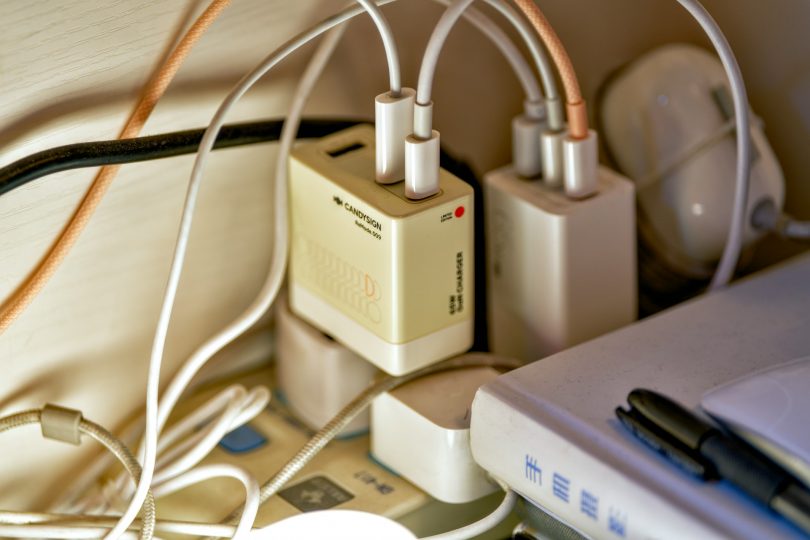
Each year in the U.S., electrical fires cause roughly 32,000–53,000 home fires, resulting in 400–500 deaths, over 1,200 injuries, and more than $1 billion in property damage, highlighting the importance of updated wiring and electrical safety. Aging wiring and overloaded outlets are major contributors to home fires. Electrical safety inspections and mindful appliance use are critical in older homes. In many Black American households, where homes may have been passed down through generations or built during periods of systemic disinvestment, proactive electrical safety not only protects families but also preserves heritage, supports multigenerational living, and fosters peace of mind in spaces that hold deep cultural and familial significance.
6. Protect digital and smart-home systems
Did you know that 31% of US adults said they had been a victim of cybercrime? As smart devices become more common, cybersecurity is now an essential part of household safety. In many Black American homes, where multigenerational living and shared devices are common, taking steps like changing default passwords, updating software, and securing home Wi-Fi networks protects not just personal information but also family members’ privacy, finances, and digital well-being. Prioritizing digital safety strengthens trust, reduces vulnerability to scams, and ensures that technology enhances home life rather than creating new risks.
7. Safely store medications, chemicals, and tools
Multigenerational households—more prevalent in Black communities—require extra attention to safe storage. Lock away medications, cleaning supplies, and sharp tools to prevent accidental poisoning or injury. Also, ensure that young children and older adults cannot access potentially dangerous items. Regularly check expiration dates, organize items out of reach, and educate family members on household hazards to create a safer living environment for everyone. Prioritizing these steps helps protect both children and elders, who may be more vulnerable to accidents in a busy, shared home.
8. Prepare an emergency readiness kit
Emergency preparedness is a health equity issue. Communities of color often face delayed disaster response and fewer recovery resources. Emergency kits should include water, food, flashlights, first aid supplies, and copies of vital documents. Families should also consider medications, hygiene items, and battery-powered chargers, while creating a communication plan with relatives and neighbors. Regularly updating supplies and practicing emergency drills can help reduce risks and ensure that everyone in the household—especially children, elders, and those with chronic conditions—can stay safe and recover more quickly after a crisis.
9. Reduce fall risks inside and outside the home
Falls are a leading cause of injury for older adults. Secure rugs, repair railings, and keep pathways clear to support aging safely in place. In many Black households, multigenerational living means elders often share space with children and grandchildren, increasing risk. Encourage family members to remove clutter, improve lighting, and assist with mobility when needed. Community programs and local resources can also help provide fall-prevention equipment and education, supporting older adults to maintain independence while keeping the whole household safer.
10. Strengthen community connections
Collective care has always been a cornerstone of Black survival and resilience. Knowing neighbors, sharing safety information, and staying informed about local alerts strengthens community-wide protection. This includes checking on elders, sharing resources during emergencies, and organizing neighborhood watch or support networks. By pooling knowledge, skills, and supplies, communities can respond faster to crises, reduce risks, and build a stronger sense of trust and solidarity that preserves safety for everyone.
Remember, home safety is not simply about avoiding accidents—it is about protecting life, preserving dignity, and advancing health equity. When Black households are safer, communities are healthier, and generational well-being is strengthened. It is critical to identify one consistent moment each year—such as New Year’s Day or the start of Daylight Saving Time—to focus on implementing, reviewing, and updating the elements that impact home safety. Establishing an annual safety checkpoint helps ensure that protective measures are maintained, effective, and not overlooked.
At Elevate Black Health, we believe prevention is power. By addressing home safety through an equity-focused lens, we move closer to a future where Black families are not disproportionately harmed by preventable risks—but are supported, protected, and thriving.
Additional Resources:
- Centers for Disease Control and Prevention (CDC). Fire Safety
https://www.cdc.gov/fire - National Fire Protection Association (NFPA). Smoke Alarm Safety https://www.nfpa.org
- U.S. Fire Administration (FEMA). Residential Fire Risk Data. https://www.usfa.fema.gov
- Bureau of Justice Statistics (BJS). Household Crime Statistics https://bjs.ojp.gov
- CDC. Poison Prevention https://www.cdc.gov/poison
- Ready.gov. Emergency Preparedness https://www.ready.gov