

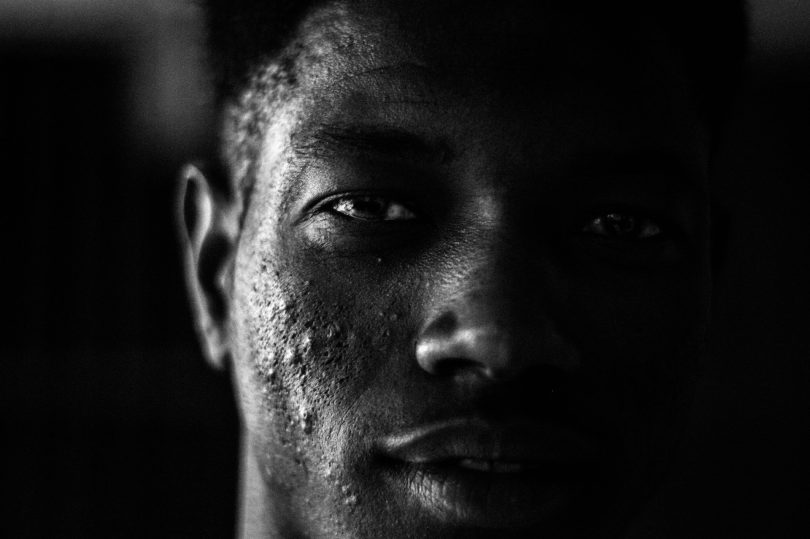

HIV is usually discussed in terms of lab results, viral loads, and CD4 counts. However, there is always more than what meets the eye. Both the virus and its treatment can leave invisible marks on the lives of the victim. While not everyone will be able to see the changes, they can affect confidence, relationships, and mental health. Even though advancements such as antiretroviral therapy (ART) have made HIV no longer a fatal diagnosis, changes like hair loss, persistent skin conditions, and scarring can quietly erode self-esteem.
What is the Visible Side of HIV?
Human identity is tied to physical appearance, and the way you look influences how you relate with others. When the body changes, some people feel like strangers in their own skin. A rash, a scar, or thinning hair can become a daily reminder of a diagnosis, appearing in every mirror and every photograph. Changes like facial fat loss (lipoatrophy), fat buildup around the midsection or neck, and weight changes can create a gap between how you see yourself and how you want to look.
For people living with HIV, the physical changes can directly affect emotions. Whether they are caused by the virus itself, opportunistic infections, the psychological stress of managing a chronic illness, or the side effects of life-saving medications, you will feel different about yourself and when around other people. Your interactions with healthcare providers and social relationships may further influence your self-image as a chronic patient.
One of the most common changes is hair loss, or alopecia. You may experience diffuse thinning or patchy shedding that can also affect the framing of your face and strip away the familiar sense of self. Skin conditions like chronic dryness, severe rashes, eczema, hyperpigmentation, and scars are also common. Since they directly affect your appearance, they can turn everyday routines like getting dressed or looking in the mirror into moments of distress. In addition, historical or medication-induced lipodystrophy alters fat distribution in the face and body.
Unfortunately, when people around you start noticing the physical changes, it may feel like an unwanted announcement of your health status. Stigma makes this heavier. It might influence your own perceptions of how you look and your body image. Many people fear being judged, which can turn into shame and harsh self-criticism. Over time, it can lead to behavior change. Some may avoid mirrors and photos while others choose to skip social events, gyms, or swimming pools where their bodies might be noticed.
Impact of HIV Appearance Changes on Relationships and Social Life
Relationships and social life tend to be affected the most by the physical changes that come with HIV. For people living with the virus, dating and intimacy can feel fraught. Due to fear of rejection, some avoid closeness altogether or tend to rehearse disclosure conversations that never happen. In most cases, you are likely to be worried about how your partner will react to a scar or skin change, and whether the reaction is about your body or status. It is also common to worry about how a friend might feel if you shared a drink with them or the idea of your HIV status being known by others.
Even as modern HIV treatment helps people stay healthy and suppress the virus, social stigma still shapes how people navigate friendships, family dynamics, and community spaces. For fear of questions, assumptions, or pity, you will likely say little and opt to keep your distance. Concerns about stares, comments, or judgment in public or social settings can cause some people to pull back from social interactions. At work, a visible symptom can make you concerned about being judged or others speculating about your health. Over time, these pressures can form a cycle: visible changes feed the fear of stigma, fear leads to isolation, and isolation further lowers self-esteem.
How to Cope and Reclaim Your Confidence After HIV Diagnosis
The first step to coping and reclaiming your confidence after an HIV diagnosis is medical care. Staying on antiretroviral therapy (ART) protects your health and can improve many skin and hair concerns. A dermatologist can treat conditions like dermatitis, fungal infections, or scarring. You may also discuss with your provider whether a medication is contributing to the side effects and if there are any alternatives available.
As some of these changes are inevitable, you need to care more for your body. Caring for your mental health will help you manage all aspects of HIV more effectively, including changes in the body and body image. Consider:
- Gentle skin care routines, hair styling options, scar treatments, and good nutrition can make a huge difference.
- Emotional support: Counseling, peer groups, and online or local HIV communities to interact with people who understand you without needing an explanation.
- Daily physical activity, including walking and climbing stairs, can help maintain a healthy weight.
- Start journaling: Journal writing helps to process emotions and personal feelings by having a private place where you can write about anything in your life.
- Find a mindfulness practice: Mindfulness meditation helps to focus on the present without judgment, increasing your feelings of acceptance.
Bottom Line
Changes in appearance after an HIV diagnosis are real, valid, and emotionally significant. Healing from HIV, therefore, includes the mind as much as the body. With effective treatment, caring support, and a society less quick to judge, confidence can be rebuilt. If you are living with these changes, reach out for care and community. By acknowledging the emotional toll of visible symptoms and fostering supportive healthcare and social environments, we can help dismantle lingering stigma.
Key Takeaway: HIV-related physical changes can affect more than appearance—they can impact confidence, relationships, and mental health. With effective treatment, compassionate care, and support, people living with HIV can reclaim their self-esteem and feel comfortable in their own skin.
Additional Resources
Body Image and Its Associated Factors among People Living with HIV: A Comprehensive Systematic Review and implications for integrated care. https://www.medrxiv.org/content/10.1101/2025.05.04.25326771v1.full
Recognizing The Impact Of Individual And Hiv Self-Stigma. https://viivhealthcare.com/en-us/supporting-the-hiv-community/against-stigma/hiv-stories/impact-of-self-stigma/
Has HIV Changed the Way I Look? https://www.hivplusmag.com/treatment/2017/6/05/has-hiv-changed-way-i-look
Body Weight and Body Shape Changes. https://www.catie.ca/a-practical-guide-to-hiv-drug-side-effects/body-weight-and-body-shape-changes
Weight Changes and Body Image With HIV Treatment. https://www.webmd.com/hiv-aids/hiv-treatment-weight-changes-body-image