

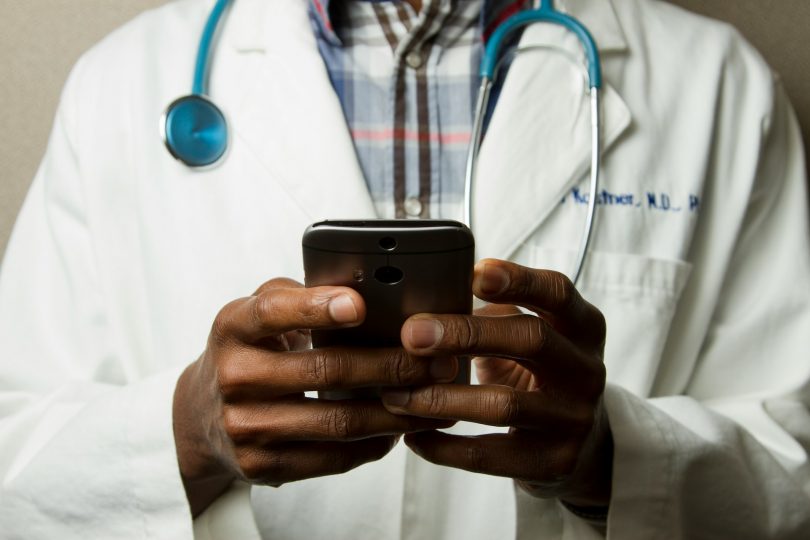

The idea of Black patients having access to Black doctors sits at the center of a much larger conversation about trust, health equity, and how the medical system actually functions in real life. It’s not just a policy debate or a matter of preference—it’s shaped by lived experiences, history, and the ways patients navigate care day to day. For many people, it becomes personal early on: moments where symptoms are dismissed, assumptions are made, or care feels filtered through bias rather than listening.
This conversation exists within a broader public health reality. In the United States and globally, racial disparities in healthcare outcomes remain well documented. Black patients are more likely to experience delayed diagnoses, undertreatment of pain, and worse outcomes in chronic conditions such as hypertension, diabetes, and maternal health complications. These disparities are not explained solely by income or access, but also by structural inequality within healthcare systems themselves, as consistently noted by public health agencies like the CDC.
There are experiences that stay with you. I’ve heard from Black friends who’ve had nurses comment on “small veins” during blood draws and then immediately follow it with questions implying past intravenous drug use. In my own life, I’ve had encounters that reshaped how I move through healthcare. During a mental health episode, in my early 20s, at a first visit, I was dismissed by a physician who told me to “quit faking” and said there were “real patients” who needed attention. I was sent away in a fragile state and left to manage things on my own. Another time in college, I went to a doctor for a severe rash and was told—without tests and in front of others—that it was syphilis. Later, a Black dermatologist immediately recognized it as rosacea, a condition that can present differently on darker skin, and it cleared quickly with a medicated cream. Experiences like these changed how I approach healthcare: I’m more intentional now about who I see, what I ask, and how I advocate for myself.
These personal experiences are part of a larger pattern explored in medical research. Studies on implicit bias in healthcare show that provider perceptions can influence pain assessment, diagnostic decisions, and treatment recommendations. Even when unintentional, bias can shape outcomes in ways that reinforce inequality. Institutions like the Association of American Medical Colleges have emphasized the importance of addressing these gaps through training and structural reform.
My perspective on this issue was also shaped professionally when I worked at the NYC Department of Health. One of the strategies we used in public health outreach was intentional representation in our messaging. We made sure to include imagery of Black doctors with Black patients, and in many campaigns the doctor-patient relationships reflected matched demographics. This was not accidental—it was a deliberate public health strategy. The goal was to build trust. When communities have historically been underserved or mistreated by medical systems, even something as simple as visual representation can become a bridge. It is a subtle but powerful way to encourage engagement from populations who are less likely to seek care, precisely because trust has been broken over time.
At the same time, this conversation has entered public controversy. A lawsuit reported in the news challenged a “Find a Black Doctor” directory, arguing that it may be discriminatory because it focuses on listing Black physicians. Supporters argue it isn’t about exclusion—it’s about helping Black patients find doctors they feel safer with in a system where many report feeling dismissed or misunderstood.
That tension raises a deeper question: is this exclusion, or is it a response to real gaps in trust and care?
From a public health perspective, there are several reasons Black patients may benefit from Black doctors:
- Stronger trust and communication
Patients often report feeling more comfortable and fully heard when their doctor shares cultural understanding or lived experience, making it easier to speak openly about symptoms and concerns. - Better engagement in care
Studies suggest that stronger patient–physician connection can improve follow-through with preventive care, chronic disease management, and treatment adherence. - Reduced impact of implicit bias
Bias in healthcare can affect diagnosis, pain assessment, and how seriously symptoms are taken. Awareness of these dynamics can help reduce unequal treatment. - Cultural understanding of lived experience
Factors like stress, environment, access to resources, and how conditions appear on different skin tones all shape diagnosis and care. - Greater patient comfort and self-advocacy
When patients feel understood, they are more likely to ask questions, challenge assumptions, and advocate for themselves—something that can directly affect outcomes.
However, this debate reflects something deeper than preference. It reflects a healthcare system still struggling with uneven trust and unequal outcomes. While legal and ethical questions are being debated publicly with the Find a Black Doctor registry, many in health equity argue the goal is not separation, but repair—making sure patients are heard clearly, treated accurately, and not forced to fight to be believed.
What makes this debate especially revealing is that culturally specific care is already widely accepted in other contexts. If a Muslim or Jewish community, for example, sought healthcare providers who understood their dietary restrictions, customs, religious practices, modesty concerns, or cultural forms of address, most people would recognize that as culturally competent care rather than discrimination. Healthcare practitioners and caregivers routinely make accommodations around kosher and halal food, gender-sensitive care, language access, and religious observances because trust and cultural understanding are recognized as important parts of treatment.
Yet when Black communities express a desire for physicians or caregivers who may better understand our lived experiences, communication styles, historical trauma, or medical realities, the conversation suddenly becomes controversial. That reaction cannot be separated from the history of the United States itself—a country where Black communities have experienced generations of medical neglect, exploitation, segregation, undertreatment, and mistrust. In that context, the desire for culturally familiar care is not about exclusion. For many patients, it is about safety, dignity, trust, and the hope of being fully heard.
At Elevate Black Health, we urge you to feel empowered to advocate for yourself and prioritize your own comfort level when choosing healthcare providers. Trust is not automatic—it is built through communication, respect, and experience, and patients have every right to take that seriously when making decisions about their health. At the same time, medical schools and training institutions must strengthen cross-cultural communication training and ensure physicians are taught how diseases can present differently across skin tones and ethnic groups. This training must be grounded in cultural sensitivity and clinical accuracy so that awareness leads to better diagnosis, not assumptions or stereotyping.
Ultimately, this is not just about who the doctor is. It is about what happens in the room when a patient speaks, whether they are believed, and whether the system is prepared to respond with accuracy, dignity, and care.
Additional Reading:
- Elevate Black Health. Medical Bias, Pain Legacy. https://www.elevateblackhealth.com/september-health-medical-bias-pain-legacy/
- Elevate Black Health. Public Health After Wet Nursing Trauma. https://www.elevateblackhealth.com/public-health-after-wet-nursing-trauma/
- New York Post. Find a Black Doctor Directory Sued. . . https://nypost.com/2026/05/19/business/find-a-black-doctor-directory-sued-for-discrimination/
- Elevate Black Health. Understanding and Implementing Cross-Cultural Communication in Your Medical Office. https://www.elevateblackhealth.com/cross-cultural-communication/