

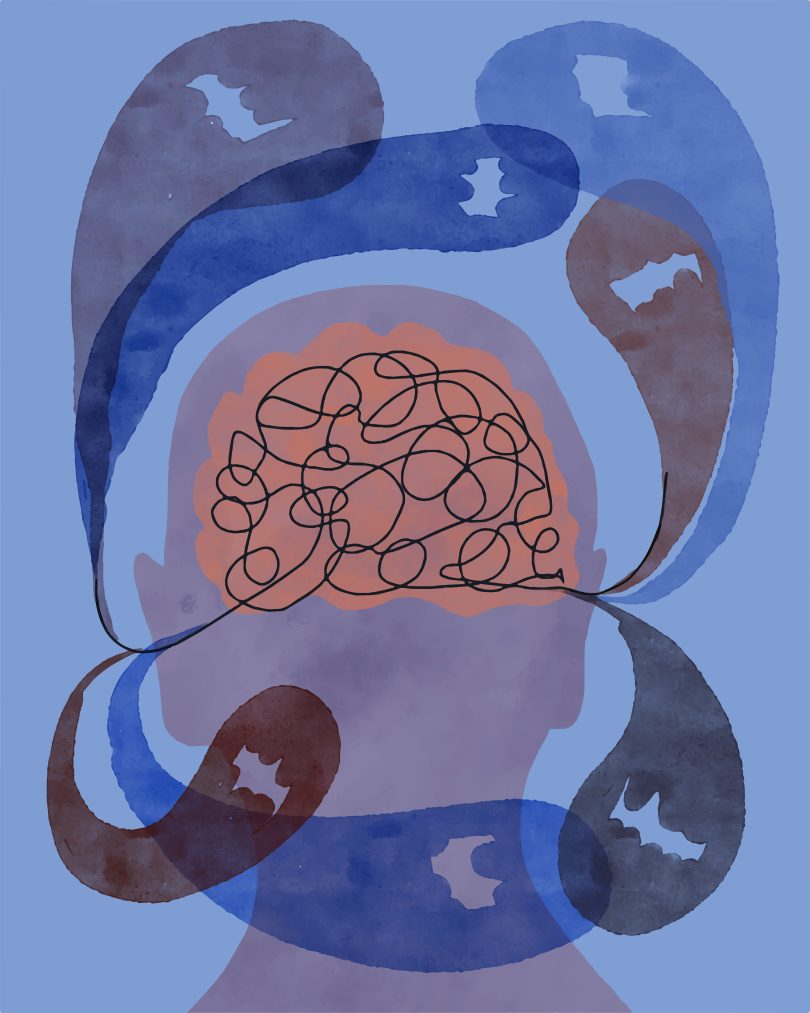

Dementia is not a normal part of aging.
Occasionally, older people forget things; however, OptoCeutics noted that when forgetfulness begins to interfere with an older parent’s ability to manage everyday life, make decisions, or recognize surroundings and familiar faces, it is a sign of cognitive change. At this point, they deserve our attention and should not be dismissed as a normal part of aging.
Sadly, in the Black community, normalizing dementia isn’t the only reason for the delay in diagnosis. Studies show a clear disparity in the healthcare system; cognitive screening rates for Black patients are far lower than those for their white counterparts, even within the same clinic. In addition, 35% of Black older adults with dementia are less likely to receive timely diagnosis or anti-dementia medications compared to white adults.
Social reasons such as fear of stigma, limited awareness, family caregiving tradition, and respect for elders are also responsible for this delay in seeking help early.
Most families continue to manage this condition until it develops into a condition known as Sundowning.
Sundowning and Its Early Signs
Sundowning, also called “late-day confusion,” is a condition where an older person in the late afternoon or evening becomes:
- Confused
- Anxious
- Restless
- Resistant to bathing or eating
- Agitated
It is a strong indication of dementia. Recognizing this and acting quickly can make a big difference.
For many members of the Black community and their families, sundowning can be frightening and frustrating. A senior can be calm during the day and suddenly become agitated in the evening. Families experiencing this with an older member need to understand that the older member is not necessarily being difficult on purpose.
According to the Alzheimer’s Society, sundowning results from changes in the brain that can affect how a person processes their surroundings because of:
- Fatigue
- Reduced lighting
- Changes in routine
- Other factors
Sundowning attracts attention because the behavior is dramatic, and many family members dread this part. Still, the root cause begins earlier, with subtle changes from occasional memory loss to memory loss that interferes with everyday life. Other warning signs, according to the Alzheimer’s Association, are:
- Difficulty managing familiar tasks
- Getting lost in familiar places
- Repeating stories and questions
- Changes in personality or behavior
- Problems finding words
- Poor judgment
- Misplacing things in unusual places
Can Dementia Be Prevented?
Reports suggest that there is no guaranteed way of completely preventing dementia, and risk factors like age and genetics cannot be changed. But when we maintain overall brain and cardiovascular health, the chances of reducing cognitive decline increase.
Healthy habits that can help reduce cognitive decline include:
- Staying physically active
- Managing blood pressure, blood sugar, and cholesterol
- Eating a balanced diet
- Getting adequate sleep
- Avoiding smoking
- Limiting excessive alcohol consumption
- Maintaining social connections
- Keeping the brain mentally active
- Treating hearing and vision problems
- Managing conditions that can affect brain health
Note: The above habits have not been shown to prevent dementia completely; however, when implemented in everyday life, they may contribute to healthier aging for Black seniors, because they suffer more severe symptoms than their white counterparts.
Caring for Someone Experiencing Sundowning
If you have a loved one who is confused or agitated in the afternoon or evening, do the following:
- Create a calm and predictable environment.
- Encourage activity and exposure to natural light during the day
- Reduce excessive noise and stimulation after dawn till evening
- Make sure the lighting in the house is adequate before the sunlight goes down
- When they are confused, don’t argue; just acknowledge their feelings and gently redirect attention
- Help them maintain a consistent daily routine
According to Mayo Clinic, there is also a high chance that your aged loved one may wander, and safety is important in such times. Practical steps like securing potentially dangerous areas, monitoring any exit area within and around the house, and making sure that an ID and emergency contact are on them at all times shouldn’t be taken for granted.
Caring for the Caregiver
Oftentimes, many people shift focus only to the family member battling dementia, forgetting that the caregiver is going through daily exhaustion, financial pressure, frustration, and emotional stress. Cleveland Clinic calls this “caregiver burnout.”
What makes it more difficult for many caregivers in many Black communities is that there is a cultural demand that we care for our elders ourselves. This makes many caregivers feel guilty about getting help from nursing homes for the aged or professional caregivers.
However, members of our community who hold such a belief need to understand that asking for help is not the same as abandoning. Responsibilities can be shared among family members to start, but it’s okay to speak with healthcare professionals and seek professional help. When you can, arrange for a short break. Breaks are important because not taking them can overwhelm a caregiver, affecting both the caregiver and the person receiving care. You can also find communities around you that offer free or low-cost adult daycare services.
Let’s Change the Conversation
Growing old is normal, but significant cognitive decline is not. We need to go from saying that dementia is “just old age” to saying, “Is there something wrong somewhere?”
Instead of ignoring repeated confusion, let’s start documenting it when it happens. It’s time to stop hiding from the supposed embarrassment of dementia and discuss it with a healthcare professional.
Instead of seeing it as something shameful, we can see it as something that deserves our understanding, appropriate care, and compassion.
Sometimes the best loving thing to do is not to dismiss the change, but notice it, talk about it, and seek help.
For Further Research
- OptoCeutics. Early Signs of Cognitive Change: What You Can Do. https://optoceutics.com/early-signs-of-cognitive-change-what-you-can-do/?srsltid=AfmBOoq4fM8L2kmLbJOAjY60CJQUP6cbpFoY3tO74Pg-ggXHgF8tfKiz
- National Institute on Aging. Data shows racial disparities in Alzheimer’s disease diagnosis between Black and white research study participants. https://www.nia.nih.gov/news/data-shows-racial-disparities-alzheimers-disease-diagnosis-between-black-and-white-research
- Elevate Black Health. Anxiety and Dementia Burden in Black Communities. https://www.elevateblackhealth.com/anxiety-and-dementia-burden-in-black-communities/
- Alzheimer’s Society. How can dementia change a person’s perception? https://www.alzheimers.org.uk/about-dementia/stages-and-symptoms/how-dementia-changes-perception
- Alzheimer’s Association. 10 Early Signs and Symptoms of Alzheimer’s and Dementia. https://www.alz.org/alzheimers-dementia/10_signs
- Alzheimers.gov. Can I Prevent Dementia? https://www.alzheimers.gov/life-with-dementia/can-i-prevent-dementia
- Elevate Black Health. Active Living for Black Healthy Aging. https://www.elevateblackhealth.com/active-living-for-black-healthy-aging/
- Elevate Black Health. Why Good Nutrition Is Important to Black Seniors. https://www.elevateblackhealth.com/why-good-nutrition-is-important-to-black-seniors/
- Elevate Black Health. Purposeful Paths for Black Seniors’ Wellness. https://www.elevateblackhealth.com/purposeful-paths-for-black-seniors-wellness/
- National Center for Biotechnology Information. Dementia Diagnosis Disparities by Race and Ethnicity. https://pmc.ncbi.nlm.nih.gov/articles/PMC8263486/
- Mayo Clinic. Sundowning: Late-day confusion. https://www.mayoclinic.org/diseases-conditions/alzheimers-disease/expert-answers/sundowning/faq-20058511
- Elevate Black Health. 5 Alzheimer’s Home Safety Tips. https://www.elevateblackhealth.com/5-alzheimers-home-safety-tips/
- Cleveland Clinic. Caregiver Burnout. https://my.clevelandclinic.org/health/diseases/9225-caregiver-burnout