

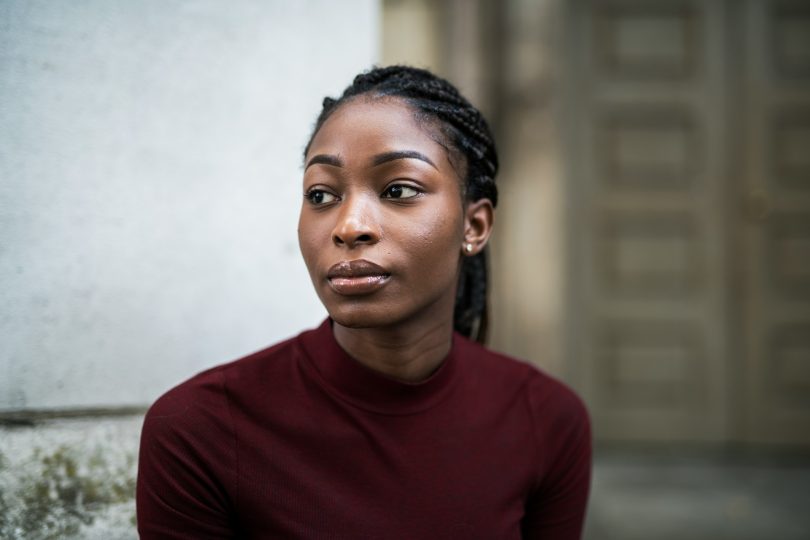

Menopause begins one year after your last period, and usually brings a wide range of changes to your skin, hair, and body. While the changes are unique to everyone, they can come at the most unexpected time. One day, your skin is glowing and thriving, while it can become dry and sensitive the next. The experience for Black women is usually affected by hormones and other unique factors happening with their bodies. In this article, we’re going to talk about how hormones change skin in Black women during menopause.
Changes in Black Skin During Menopause
Menopause is marked by a decline in estrogen levels, and this changes how your skin looks and feels. The ovaries gradually slow down and eventually cease production of estrogen and progesterone. This decline leaves androgens (male hormones like testosterone) to operate with less hormonal opposition. When estrogen drops, your skin’s collagen production decreases, too, which results in your skin losing its youthful volume and tightness.
Since estrogen helps maintain skin moisture, elasticity, and collagen production, the decrease results in the following noticeable changes. You will notice increased dryness as the skin now produces less oil, making it drier and more prone to irritation. The skin loses its suppleness and elasticity, resulting in drier, less-bouncy skin that is more susceptible to signs of aging. Your skin may feel thinner, drier, and even itchier and sweatier. Because the skin barrier’s function is also affected, you may notice an increase in irritation.
In some Black women, hyperpigmentation and dark spots tend to be common, while some may notice loss of elasticity and firmness due to a slowdown in collagen production, leading to sagging and fine lines. Other common changes include acne or breakouts and increased sensitivity, as the skin now reacts more strongly to products that were fine before. In fact, some women who’ve never experienced acne before may get acne for the first time in their life due to an increase in androgens during this period. Another symptom of menopause that you may notice is facial hair on your lip, chin, or jawline.
Why Skin Changes Are Different in Black Women During Menopause
For Black women, the Melanin-rich skin comes with several natural advantages. The main one being that you will experience a slower rate of collagen breakdown compared to lighter skin tones. However, this does not mean that you are totally immune to the effects of menopause.
Even with melanin, issues such as skin dryness, changes in texture, and dark spots are common in Black women during menopause. For those who experience post-inflammatory hyperpigmentation (PIH), they tend to struggle with breakouts or irritation that leaves behind stubborn marks.
Tips for Black Women to Keep Skin Healthy Through Menopause
When it comes to caring for your skin through menopause, hydration is everything. Your skin is already struggling with dryness, and the best thing you can do is be gentle with it. Here are a few tips that will help:
- Hydration: The decline in estrogen levels leads to moisture loss. Adding hydrating ingredients like glycerin, hyaluronic acid, and ceramides in your skincare routine will help keep the skin moisturized. Remember to drink plenty of water, eat water-rich foods like cucumbers and watermelon, and apply a hydrating serum before your moisturizer to lock in moisture
- Be Gentle with Your Skin: Harsh exfoliants and strong actives can do more harm than good to your now-more-sensitive skin. Skip aggressive scrubs and opt for gentle chemical exfoliants like mandelic acid or lactic acid instead
- Adapt to a Healthier Diet and Lifestyle: A healthier lifestyle will make your skin healthier. Eat more collagen-boosting foods like bone broth, berries, and leafy greens. Limit sugar and processed foods s they tend to speed up skin aging; manage stress, and get enough sleep to support skin regeneration
- Address Hyperpigmentation: If you are struggling with dark spots, use skincare products with ingredients like vitamin C, kojic acid, azelaic acid, and licorice root. Retinol or bakuchiol can also help even out skin tone over time
- Make Sunscreen Non-Negotiable: Menopause can make hyperpigmentation worse in melanated skin because UV exposure speeds up collagen loss. Use a broad-spectrum SPF 30 or higher every day, even if you’re mostly indoors
- Consider Hormone Replacement Therapy (HRT) or Supplements: HRT is usually helpful to Black women with skin-related symptoms of menopause. If that’s not an option, supplements with collagen, antioxidants, and omega-3s can help support skin health from within
Menopause comes with several changes in your body, but understanding that these skin developments are a direct consequence of internal biochemistry takes away the frustration of sudden midlife changes. While you cannot stop the process, adjusting your routine to focus on rich hydration and daily pigment protection can help maintain a healthy complexion throughout the menopausal transition. By incorporating ingredients like hyaluronic acid, vitamin C, retinol, and peptides, it’s possible to maintain hydrated, firm, and radiant skin despite hormonal fluctuations.
Additional Resources
Managing Menopausal Skin Changes: A Narrative Review of Skin Quality Changes, Their Aesthetic Impact, and the Actual Role of Hormone Replacement Therapy in Improvement. https://pmc.ncbi.nlm.nih.gov/articles/PMC12374573/
What happens to Black skin during menopause? https://us.onstella.com/the-latest/your-body/what-happens-to-black-skin-in-menopause/
Beyond Hot Flashes: Understanding and Treating Menopause-Associated Skin Changes. https://jintegrativederm.org/doi/10.64550/joid.jzw4me05
Understanding How Menopause Affects the Skin: https://www.womenshealthmelbourne.com.au/blog/understanding-how-menopause-affects-the-skin
Here’s How Menopause Affects Your Skin and Hair. https://health.clevelandclinic.org/heres-how-menopause-affects-your-skin-and-hair