

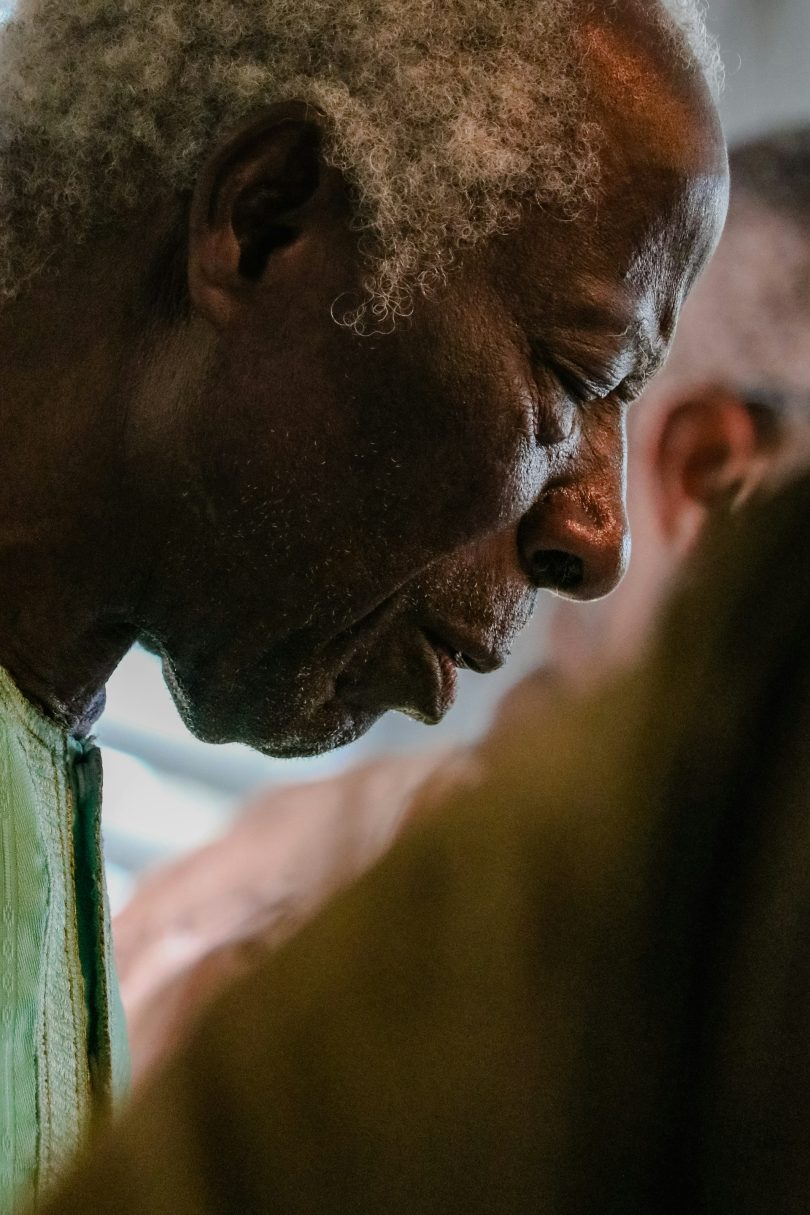

Did you know that the life expectancy of the Black community has been on a steady rise, narrowing the gap that has long existed between Black and white. The gains temporarily declined during the COVID-19 pandemic.
However, the latest CDC data shows that the number is back up. Life expectancy at birth for Black males was 70.3, while that of Black females was 77.6. Although the realization that our community is living longer is cheery, without proper end-of-life planning, the excitement will eventually turn sour for both the seniors and their children.
Sadly, formal end-of-life planning is significantly less common in our community compared to White communities. According to research published in the National Library of Medicine, only 15% of older Black Americans complete advance directives, compared to 52% of older white Americans. The reason is linked to a mix of historical, cultural, and systemic factors.
Barriers to Formal End-of-Life Planning in Black Communities
In some Black communities, discussion around end-of-life is almost akin to wishing for death. Viewed through this prism, both the aging parents and their children are caught unaware when the inevitable—like a terminal illness that leaves the parents in a vegetative state—hits suddenly. Below are some of the key barriers to formal end-of-life planning in our community.
Spiritual Beliefs
The Black community is a highly religious race, and religious convictions heavily influence end-of-life views. For example, there is a widespread belief that God has ultimate control over life and death. Therefore, planning for end-of-life often comes off as a lack of faith—and may be rebuked. While Black families generally communicate with their children as much as whites, end-of-life is rarely part of that discussion.
Due to religious convictions, Black patients are more likely to request aggressive, life-prolonging interventions and treatments at the end of life, even when the prognosis is poor. The general belief is that God can perform miracles and cure whatever ailment they may be experiencing. This directly leads to a lower utilization of comfort-focused hospice and palliative care.
Cultural Beliefs
It is culturally expected that children take up the responsibility of taking care of their aging parents in our community. Therefore, enrolling parents in retirement homes, nursing homes, or hospice can be interpreted as a failure of responsibility, which comes with a level of stigma. Those who may want to enroll their aging parents in nursing homes are usually put off by the high cost (approx. $10,000 monthly).
Poor Communication Gap and Medical Mistrust
Black families have frequently reported lower satisfaction with end-of-life care due to poor physician communication. Among the top of their complaints is that they were not properly informed about treatments, what to expect, and the support their loved ones need.
The communication friction can also be linked to medical mistrust resulting from historical atrocities (for example, the Tuskegee experiment), systemic racism, and unequal treatment. These actions have created deep, justifiable mistrust of the healthcare system. Many Black adults are worried that signing an advance directive will empower the doctor to “give up” on them or ration their care.
Financial Implication
The cost of preparing a last will, living will, and financial power of attorney is in the range of $200 to $1,000, while a comprehensive estate or trust can cost an upward of $2,000. Some Black adults may consider this cost too steep. However, if you pass away without these documents, your family must go through a court-supervised process called probate, which can gulp 3% to 8% of the estate’s total value.
Outcomes of Lack of End-of-Care Planning
A bon mot says, “failing to plan is planning to fail”. That is the story of many Black families when it comes to end-of-life. The children and relatives are suddenly thrown into confusion when an aging loved one can no longer make decisions on their own. Some of the consequences of lack of end-of-life planning in our community include:
- Extended suffering: Lack of end-of-life planning can lead to increased suffering for the dying loved one due to aggressive procedures
- Deprivation of peaceful death: Dying in the hospital can rob our adults the peaceful time with loved ones in a familiar, comfortable environment
- Medical bill burden: Relatives have to deal with costly medical bills for someone who may not have agreed to life-prolonging treatments
- Inheritance tussle: Studies show that around 70% of Black Americans don’t have a will or estate plan, leading to frequent frictions, legal disputes, and loss of generational assets
End-of-Life Planning In Black Communities: How to Start
Why should our children continue to fight in court for years after we are gone? Unfortunately, that is one of the consequences of lack of end-of-life planning—and it is time we change that. An advance directive and durable powers of attorney for healthcare will give your loved ones a sense of direction when you are unable to make decisions for yourself.
While many Black adults may be interested in end-of-life planning, the challenge is usually how to start. Here are tips from Elevate Black Health to guide you.
- Initiate family discussions: The first step is to start talking with your loved ones about preferences for medical care and financial arrangements. Frame the discussion around care and preparation rather than loss.
- Designate an advance directive: A living will and a durable power of attorney for healthcare are part of an advance directive and outline the type of care you want if you can no longer communicate.
- Create a will or trust: This ensures your property and personal belongings are distributed according to your wishes and avoids lengthy legal battles after you are gone.
Consulting with an estate planning attorney or a financial advisor can help clarify complex legal requirements. Proper end-of-life planning is not just for the good of your loved ones; it also helps you to rest in peace rather than being faced with uneasiness on your sickbed.
For More Reading
- Centers for Disease Control and Prevention, National Center for Health Statistics. (2025, May 9). Mortality in the United States, 2023 (National Vital Statistics Reports, Vol. 74, No. 6). U.S. Department of Health and Human Services.
- Centers for Disease Control and Prevention. (n.d.). About the Tuskegee study. U.S. Department of Health & Human Services. https://www.cdc.gov/tuskegee/about/index.html
- Emecheta, A. (2023). Becoming a caregiver to an aging parent. Elevate Black Health. https://www.elevateblackhealth.com/caregiver/
- Miller, J. (2021, January 14). COVID-19 reduced U.S. life expectancy, notably among Blacks and Latinos. USC Today. https://today.usc.edu/covid-19-american-life-expectancy-black-latino-populations-usc-research/
- Onyeneho, L. (2026, March 2). The importance of hospice care for African American communities. Defender Network. https://defendernetwork.com/culture/health/hospice-care-underutilized-black-communities/
- Portanova, J., Ailshire, J., Perez, C., Rahman, A., & Enguidanos, S. (2017). Ethnic Differences in Advance Directive Completion and Care Preferences: What Has Changed in a Decade?. Journal of the American Geriatrics Society, 65(6), 1352–1357. https://doi.org/10.1111/jgs.14800
- Stanford Geriatric Education Center. (n.d.). End-of-life care issues. Stanford University School of Medicine. https://geriatrics.stanford.edu/ethnomed/ethno-med/african_american/access-utilization/disparities/end-of-life.html
- Sullivan, J. N., Eberhardt, J. L., & Roberts, S. O. (2021). Conversations about race in Black and White US families: Before and after George Floyd’s death. Proceedings of the National Academy of Sciences, 118(38), e2106366118.
- Tate, R. (2023, March 23). Blacks and wills: The push to plan for life after death. Defender Network. https://defendernetwork.com/under-40/healthy-living/blacks-and-wills-the-push-to-plan-for-life-after-death/